Winshark payment methods in Australia
 Available in US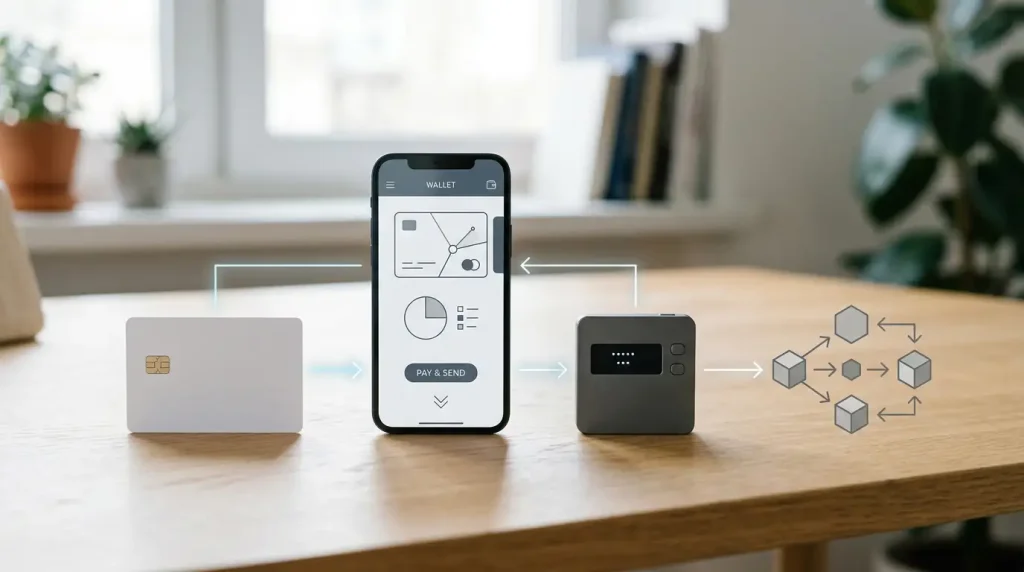
Winshark is a hybrid casino with both fiat and cryptocurrency payment rails. Current AU-facing payment listings include Visa, Mastercard, Neosurf, Skrill and Neteller, while the crypto side includes BTC, ETH, LTC, USDT and a wider group of altcoins. AUD is supported as an account or cashier currency, so the practical question is less about whether there is a choice and more about how the chosen method handles minimums, network selection, external fees and withdrawals.
Table of Contents
- Winshark combines card, e-wallet and crypto payment rails
- AUD support sits alongside conventional fiat methods
- Withdrawal limits belong in a separate constraint set
- Casino-side fees and network costs are different charges
- USDT requires the network choice to match at both ends
- Questions about Winshark payments
- Method details drive the real cost of Winshark payments
Winshark combines card, e-wallet and crypto payment rails
The core AU-facing fiat set is Visa, Mastercard, Neosurf, Skrill and Neteller. The crypto list is broader: Bitcoin, Ethereum, Litecoin, Tether, Bitcoin Cash, Cardano, Solana, XRP, Tron, Dogecoin, USD Coin and Toncoin all appear in current cashier listings. That makes Winshark a genuine hybrid payment setup rather than a crypto-only cashier.
Deposit minimums are method-dependent. Deposit minimums sit roughly in an A$10–A$30 range depending on method, so one number should not be treated as a universal casino minimum. The useful approach is to check the selected rail in the cashier before sending money, especially when moving between cards, e-wallets and crypto.
| Coin | Network | Min Dep | Min WD | Speed | Fee |
|---|---|---|---|---|---|
| Bitcoin (BTC) | Cashier selection | Method-dependent | Method-dependent | Method-dependent | No casino-side fee listed; network fee can apply |
| Ethereum (ETH) | Cashier selection | Method-dependent | Method-dependent | Method-dependent | No casino-side fee listed; network fee can apply |
| Litecoin (LTC) | Cashier selection | Method-dependent | Method-dependent | Method-dependent | No casino-side fee listed; network fee can apply |
| Tether (USDT) | TRC20 / ERC20 | Method-dependent | Method-dependent | Method-dependent | No casino-side fee listed; network fee can apply |
| Bitcoin Cash (BCH) | Cashier selection | Method-dependent | Method-dependent | Method-dependent | No casino-side fee listed; network fee can apply |
| Cardano (ADA) | Cashier selection | Method-dependent | Method-dependent | Method-dependent | No casino-side fee listed; network fee can apply |
| Solana (SOL) | Cashier selection | Method-dependent | Method-dependent | Method-dependent | No casino-side fee listed; network fee can apply |
| XRP | Cashier selection | Method-dependent | Method-dependent | Method-dependent | No casino-side fee listed; network fee can apply |
| Tron (TRX) | Cashier selection | Method-dependent | Method-dependent | Method-dependent | No casino-side fee listed; network fee can apply |
| Dogecoin (DOGE) | Cashier selection | Method-dependent | Method-dependent | Method-dependent | No casino-side fee listed; network fee can apply |
| USD Coin (USDC) | Cashier selection | Method-dependent | Method-dependent | Method-dependent | No casino-side fee listed; network fee can apply |
| Toncoin (TON) | Cashier selection | Method-dependent | Method-dependent | Method-dependent | No casino-side fee listed; network fee can apply |
The table deliberately keeps method-dependent fields method-dependent. Withdrawal minimums and processing windows vary across current AU listings, while USDT is the one crypto asset in the payment data with a specific network pair attached: TRC20 and ERC20. More detailed withdrawal limits and timing sets are separated in the Winshark withdrawals guide.
For crypto transfers, the absence of a single casino-wide minimum is not a minor detail. A user can choose the right asset and still run into a method-specific minimum or network requirement. For fiat payments, issuer rules and wallet conditions can add another layer that sits outside the casino’s own cashier settings.
AUD support sits alongside conventional fiat methods
Australian dollars are listed as a supported account or cashier currency. That reduces one common source of friction: a player does not necessarily need to keep their casino balance in euros or US dollars while using an Australian-dollar payment rail. It also makes deposit and withdrawal limits easier to compare when the underlying listing is already denominated in AUD.
Visa and Mastercard provide the familiar card route. Skrill and Neteller provide e-wallet alternatives, while Neosurf adds a prepaid-style option. These methods solve different problems. Cards are direct and widely understood; e-wallets can separate casino transactions from the main bank account; prepaid methods can cap the amount available for a transaction by design. None of those structural differences should be read as a guarantee that a particular issuer or wallet will accept every gambling transaction.
Method availability can also change between deposit and withdrawal. A cashier may accept a method for funding but route withdrawals through a different supported path depending on account history, verification and payment-provider rules. Before depositing, it is sensible to inspect the withdrawal side of the same cashier flow rather than assuming the deposit method will automatically be the fastest or simplest route out.
Identity checks can become relevant at withdrawal. Winshark requires verification in withdrawal contexts, including first-withdrawal checks described by brand representatives. The account and KYC section explains how that verification layer interacts with access and support without turning payment method choice into a promise of faster cashout.
Withdrawal limits belong in a separate constraint set
Deposit methods tell only half the payment story. Casino Guru’s AU-denominated limit table lists A$900 per day and A$18,000 per month for withdrawals. Those figures are different from a minimum withdrawal, different again from a per-request cap, and separate from processing time. Keeping each metric in its own column prevents one limit from being mistaken for another.
Withdrawal minimums are method-dependent: AU figures range roughly from A$15 to A$90, while another listing gives A$30. Processing windows are also method-sensitive. That is why the payment overview does not compress withdrawal speed into a single promise. A bank card, e-wallet and crypto transfer can sit on different processing paths even when they belong to the same casino account.
A practical withdrawal check therefore has four questions: what is the minimum for the selected method, what request-size rules apply, what daily or monthly cap applies, and whether account verification is complete. The dedicated withdrawal page keeps those constraints together so that a daily cap is not confused with a request cap or a processing estimate.
- Confirm the withdrawal method available to the account.
- Check the minimum for that method rather than relying on a casino-wide number.
- Separate per-request limits from daily and monthly limits.
- Complete any required identity checks before treating a processing window as meaningful.
Casino-side fees and network costs are different charges
Winshark is listed with no casino-side deposit or withdrawal fee. That does not make every transaction cost-free. A card issuer can apply its own treatment, an e-wallet can charge according to its account terms, and a blockchain transfer can carry a network fee. Those costs sit outside the casino’s own fee line.
For fiat rails, the cleanest comparison is the amount sent, the amount credited and any separate charge shown by the bank or wallet. For crypto, the same logic needs one extra step: the wallet or exchange normally shows the network fee before broadcasting the transfer. The amount that reaches the destination can therefore be lower than the amount initially entered, depending on how the sending service handles fees.
This distinction matters most on smaller transfers. A fixed network fee takes a larger percentage of a small transfer than of a large one. For example, a 1 USDT network fee on a 20 USDT transfer consumes 5% of the transfer amount, while the same 1 USDT fee on 200 USDT is 0.5%. Those numbers are an illustration of fee arithmetic, not a Winshark tariff or a prediction of future network costs.
Crypto prices can also move between deposit and withdrawal. A casino balance may be denominated in a fiat currency or stablecoin while the funding asset itself changes market value. That creates a separate exposure from gambling results and transaction fees. It is worth treating game loss, conversion movement and blockchain fees as three different sources of value change rather than one blended “casino cost.”
USDT requires the network choice to match at both ends
USDT is listed with both TRC20 and ERC20 support. Those are different blockchain networks even though the asset ticker is the same. A transfer should use the exact network selected in the cashier and the same network in the sending wallet or exchange. A mismatch can make recovery difficult or impossible because blockchain transactions are generally irreversible.
The safest sequence is simple. Select USDT in the cashier, identify the network, copy the address, then set the sending wallet to the same network before confirming. Re-check the first and last characters of the address and the network label. If the sending service displays a network fee, treat it as a wallet or blockchain charge unless the casino separately identifies its own fee.
The remaining listed cryptocurrencies should be handled with the same discipline. The payment data supports the presence of BTC, ETH, LTC, BCH, ADA, SOL, XRP, TRX, DOGE, USDC and TON, but it does not establish a complete network map for every asset. The cashier’s live network selection is therefore the place to confirm the chain before a transfer is broadcast.
- Match the asset and network, not just the ticker.
- Check the destination address before broadcasting.
- Separate wallet or network fees from casino-side fees.
- Use the cashier’s current method limits rather than assuming one minimum applies to every rail.
Questions about Winshark payments
Does Winshark support Australian dollars?
Yes. AUD is listed as an account and cashier currency alongside Winshark’s fiat and crypto payment options.
Which fiat payment methods are listed for Winshark?
Visa, Mastercard, Neosurf, Skrill and Neteller are listed in current AU-facing payment profiles.
Which cryptocurrencies are listed for Winshark?
Listed crypto options include BTC, ETH, LTC, USDT, BCH, ADA, SOL, XRP, TRX, DOGE, USDC and TON.
Does Winshark add deposit or withdrawal fees?
Winshark is listed with no casino-side deposit or withdrawal fee, although banks, wallets and blockchain networks can still charge their own fees.
Which USDT networks are listed?
USDT is listed with TRC20 and ERC20 network options. The sending and receiving network must match.
Method details drive the real cost of Winshark payments
Winshark supports a broad mix of AUD, card, e-wallet and cryptocurrency rails, with USDT support on TRC20 and ERC20. Deposit minimums vary by method, withdrawal constraints use several different metrics, and external banks, wallets or networks can still add costs even when the casino itself lists no deposit or withdrawal fee. The practical comparison is therefore method by method: currency, minimum, network where relevant, withdrawal constraints and third-party charges.